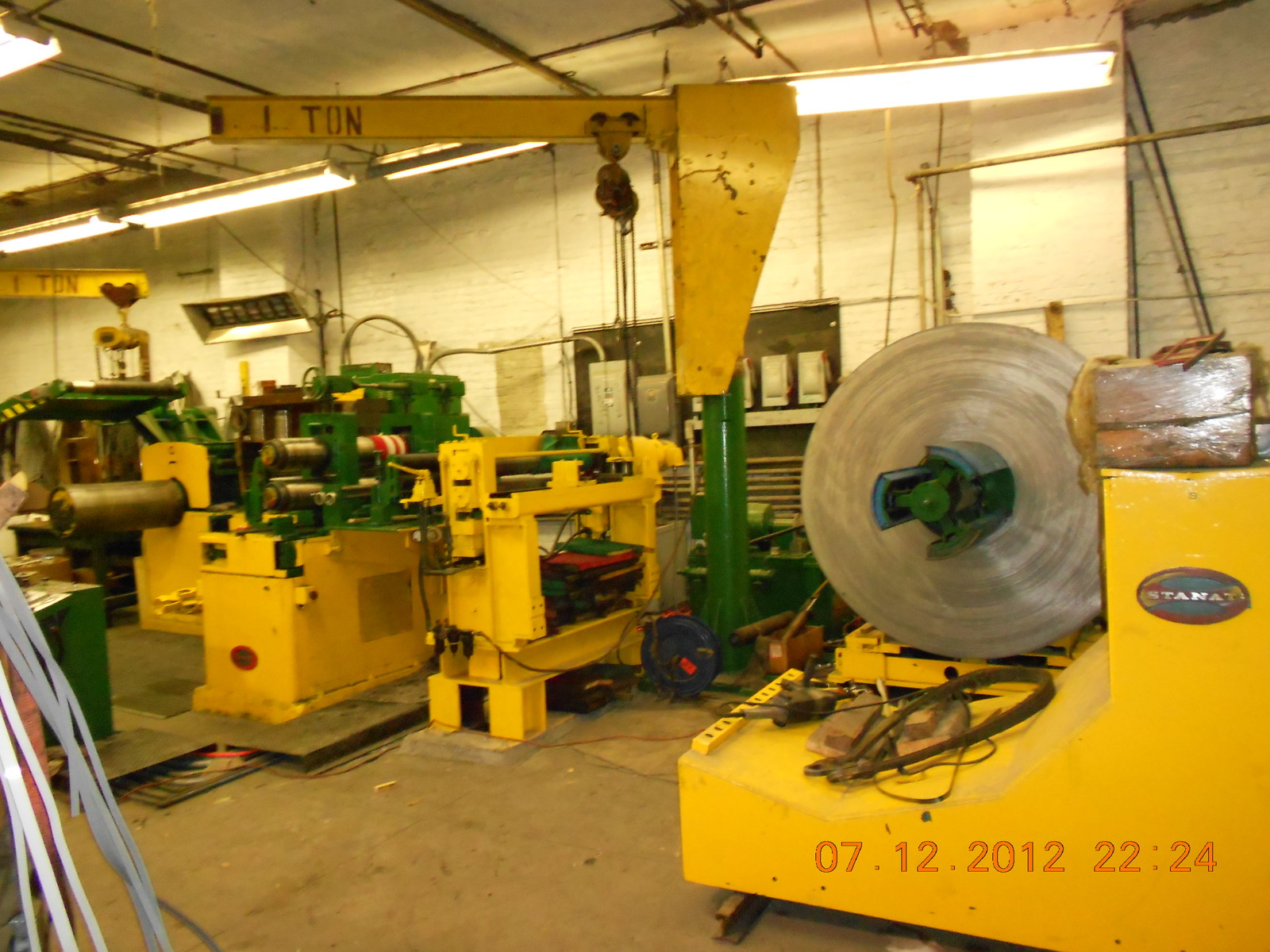
Deciding on a used slitting line is a capital-equipment decision with several moving parts. You want the machine to handle the parent rolls you run, fit your floor space, and match the tolerances your converting jobs demand, all without turning into a money pit. The STANAT SLITTING LINE listed at USD 80,000 puts a named slitting line in front of you as a single used machine, and it is worth understanding what that price does and does not buy.
Quick verdict
If you are ready to work with used equipment and you need a dedicated slitting function in your packaging printing converting operation, this STANAT SLITTING LINE is a legitimate candidate. The machine is described as used, so your decision should rest on an inspection and a clear understanding of your own roll-handling requirements. At USD 80,000, it is a fixed, visible price for a complete line, which makes budgeting straightforward compared to assembling components piecemeal.
Who it suits
This line suits a converting shop that has outgrown manual slitting or needs a second slitting station to keep up with production. It also fits a buyer with in-house mechanical capability who can handle the setup and alignment of a used line. If your operation depends on a new machine and the support that comes with it, a used line is not the right match, but for teams comfortable with used equipment, this is the kind of purchase that can expand capacity at a more accessible capital level.
STANAT SLITTING LINE
The product is presented as a used STANAT SLITTING LINE at a fixed USD 80,000 price. The Stanat name gives you a manufacturer identity to anchor the search for manuals and spare parts, and the "slitting line" designation tells you this is a line configured for the slitting step rather than a single stand-alone blade unit. Because the title focuses on the machine as a line, your decision will hinge on matching its real roll width, speed range, and blade set to your jobs.
Meaningful trade-offs
The most important trade-off is the used condition itself. You are buying a line with previous service history, not a new machine, and that history determines how much life remains in the rollers, bearings, and drive system. A used line can deliver years of service if it was well maintained, but it can also hide wear that only an in-person inspection will reveal. The listed price applies to the line itself, so installation, tooling, or auxiliary equipment beyond the sale are costs you will need to plan for separately.
Another point to weigh: the line's actual roll width and speed range are the deciding factors, and those numbers come from inspecting the machine directly rather than from its product name. Buyers with unusual web widths or specialty substrates need assurance that this specific machine can handle them before committing.
Bottom line
For a converting operation that needs a used slitting line and wants a manufacturer-named machine at a clear price point, the STANAT SLITTING LINE at its listed price is a sensible option to evaluate. The price is transparent, the machine type is clear, and the used condition is the main caveat. If the line's actual width, speed, and blade configuration match the jobs you are running, this is a direct way to add slitting capacity to your packaging printing converting workflow.