Portable induction sealers for plastic bottles force you to choose between extra heat and extra accessories. Two versions of the same DGYF-880 model are priced $8.99 apart. They both use electromagnetic induction heating to melt and laminate aluminum foil caps, and both plug into a standard U.S. 110V outlet. They handle the same bottle mouths and share a plastic body, but their adjustable power ranges and package contents are clearly different. Here's how to decide which one belongs on your bench.
Quick Verdict
Pick the higher-priced model if you need a wider power range that reaches 900W. Pick the lower-priced model if you'd rather have a 3-year warranty and a kit that includes two bottles and a spare button. Both are handheld sealers with adjustable power levels, so the decision hinges on whether you prioritize output or onboard extras. If you're unsure which power level you'll need, the finer steps of the lower-priced model make it easier to start conservatively.
Price and Power at a Glance
| Version | Listed Price | Adjustable Power |
|---|---|---|
| Induction Sealer (0.5-0.9KW) | USD 70.14 | 0.5-0.9KW |
| Induction Sealer (100-500W) | USD 61.15 | 100W, 200W, 300W, 400W, 500W |
The price difference is $8.99. The higher-priced version tops out at 900W, while the lower-priced version offers five preset levels from 100W to 500W. Both carry the DGYF-880 model number, seal a 2-10cm diameter, and are built for non-metal bottles on U.S. 110V.
Where Each Version Wins
Higher-Power Model wins for throughput. The adjustable output spans a wider range, giving you more heat for thicker foils or a quicker seal. The description also notes a power-off memory function, which can save time when the machine restarts. This is especially handy if you switch between bottle sizes during the day.
Lower-Power Model wins for readiness. The lower price isn't the only draw: it includes a 3-year manufacturer warranty, two bottles, and a spare button. The five power steps let you dial in a gentler heat for smaller or thinner caps. Having two bottles included means you can test the seal strength before committing to a full batch.
Product Notes
Higher-Power Induction Sealer
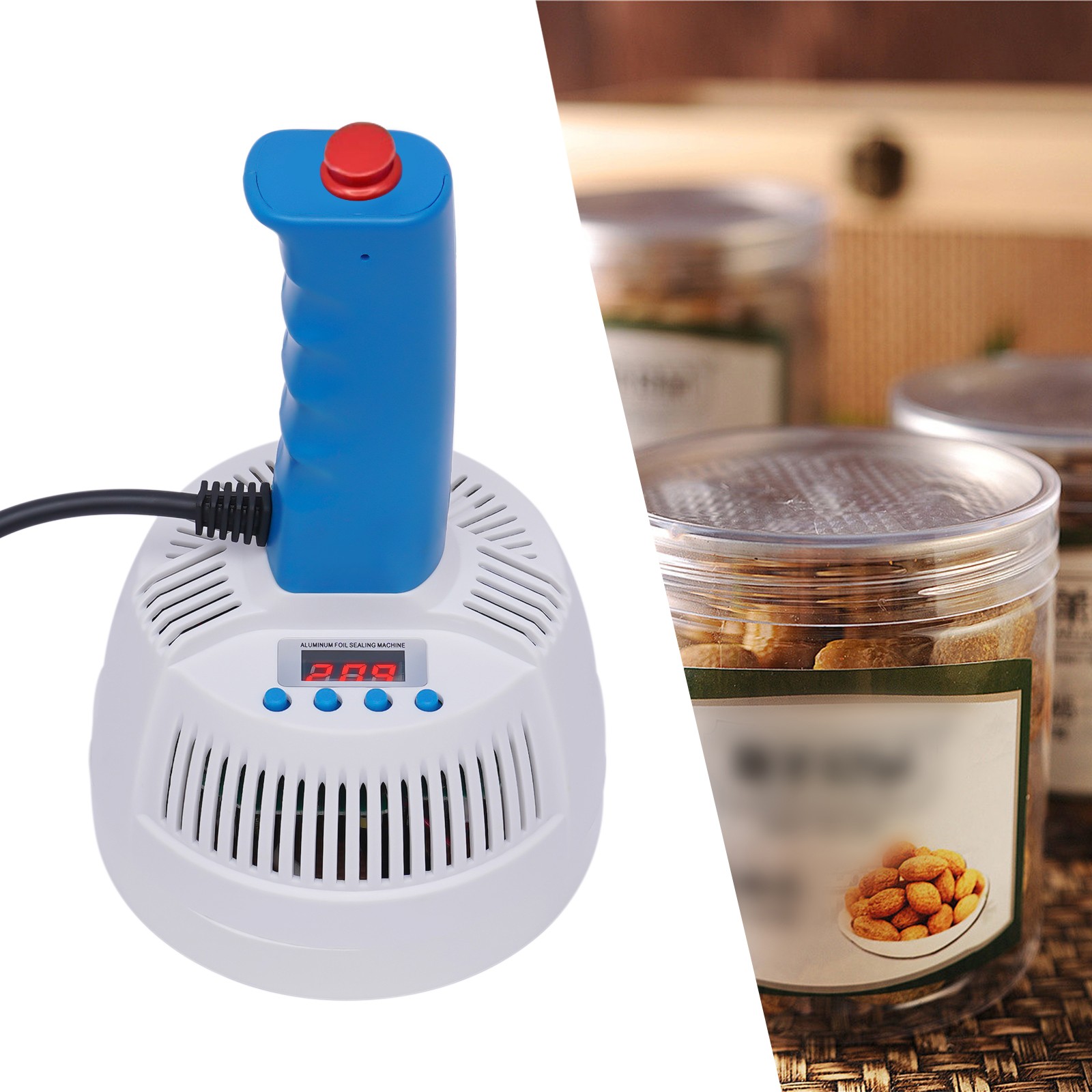
This version, the one with the wider power band, is designed for sealing jobs that need a strong heat burst. The description emphasizes fast sealing with a short sealing time, and the power-off memory helps you resume work without resetting your preferred level. Its maximum output is higher than the other model, so you can tackle caps that need more heat without holding the unit in place as long. The trade-off is that you're paying for that extra power, while the lower-priced version brings bottle samples and a spare button to the table. If your workflow is volume-oriented, the extra cost can be worth it for the added margin.
Lower-Power Induction Sealer
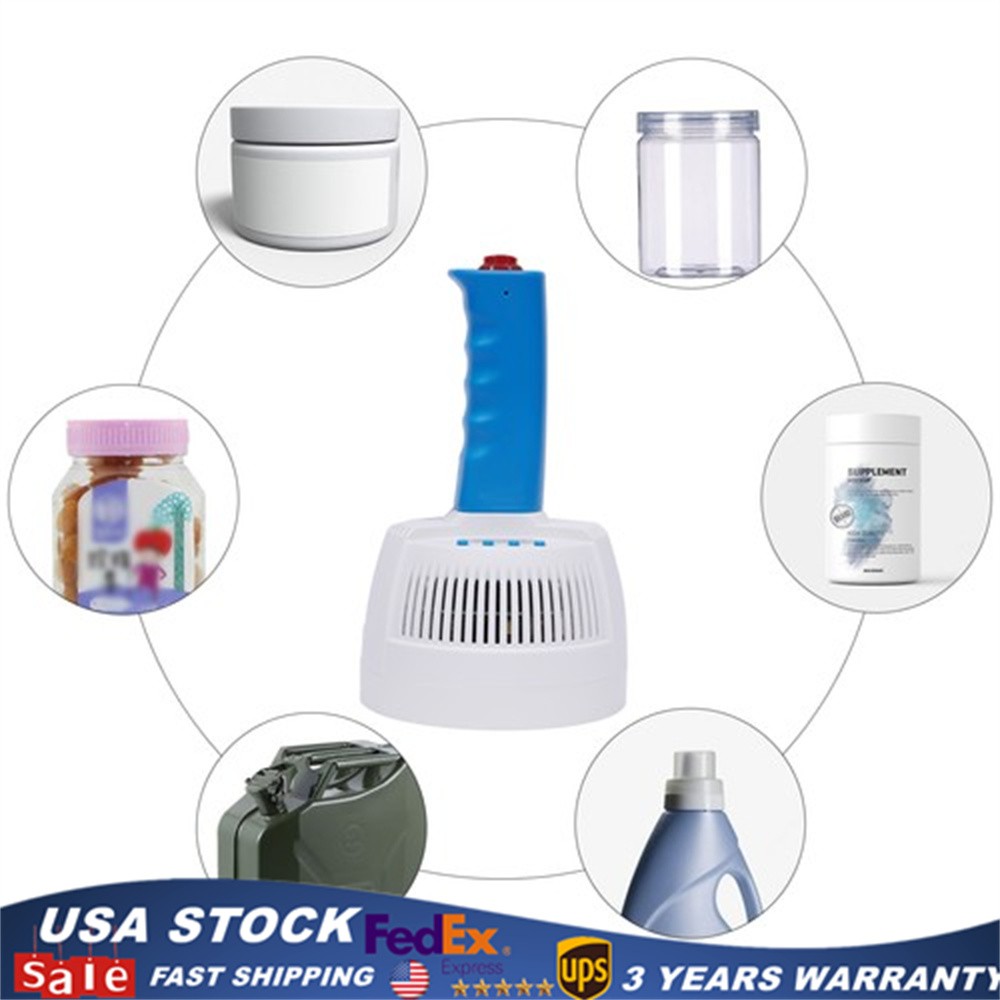
The lower-priced model steps down the maximum power but makes up for it with included essentials. Its package lists a 3-year manufacturer warranty, plus two bottles and a spare button for immediate test seals. The stepwise power adjustment gives you finer control when you're sealing lighter caps. One practical note: the user manual is specified as Chinese, so you may need to rely on the included photos or your own experience during setup. If you're sealing occasional batches and want a ready-to-run kit, this is the more convenient starting point.
Final Choice by Use Case
Choose the 0.5-0.9KW version when you seal frequently and want the extra heat to move faster. Choose the 100-500W version when you prefer a lower outlay, want the warranty and included spares, and can work within a 500W maximum. Both seal the same bottle range, so your cap size won't limit the choice.