Packaging Printing and Processing: A Beginner’s Guide
Learn how printed packaging is created, from common printing methods and inks to finishing steps like cutting, folding, and quality checks.
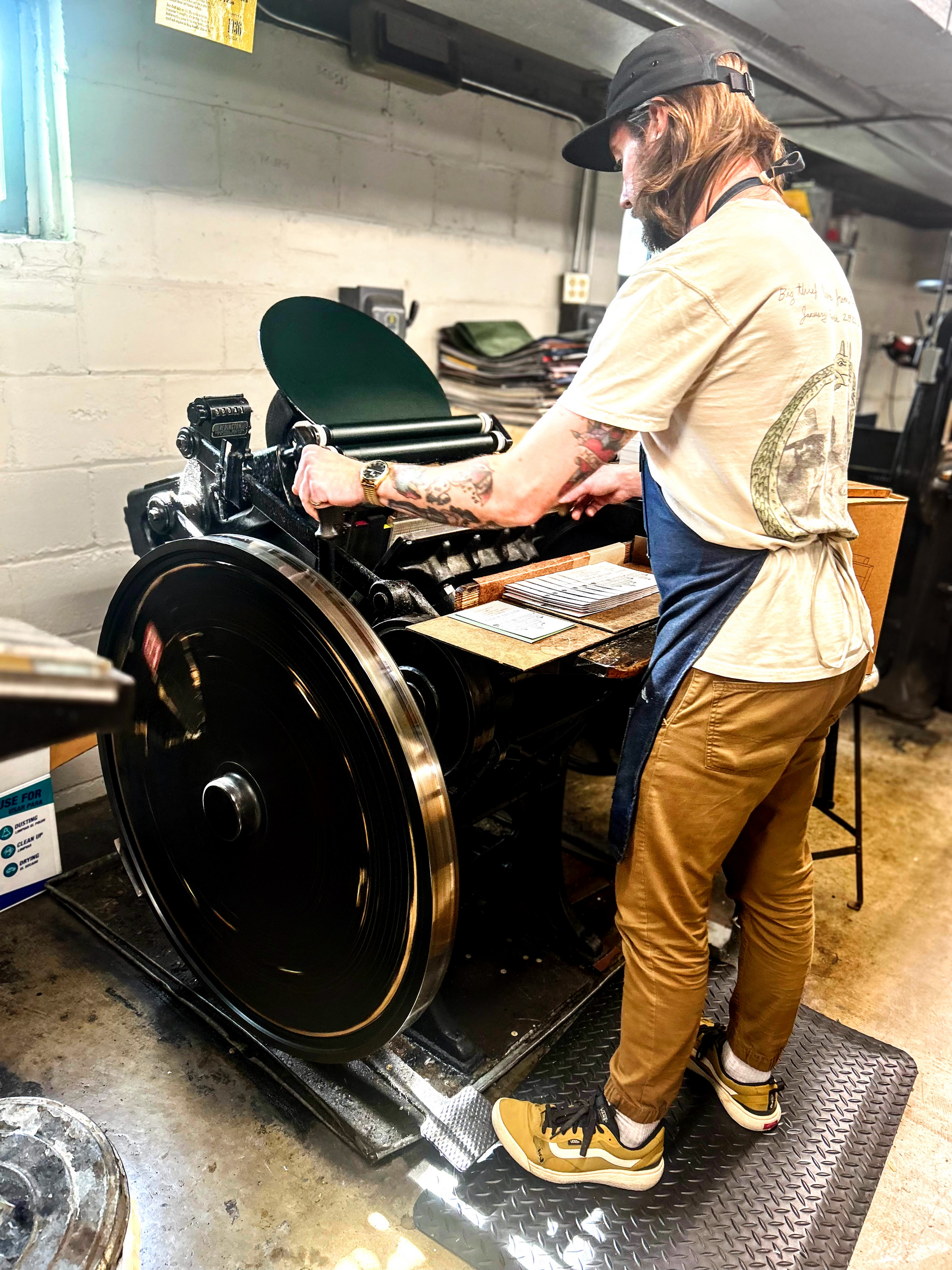
Cover: Own work · Wikimedia Commons · CC BY 4.0
Question: How does packaging printing and processing work?
Packaging printing at a glance
Packaging printing is the step where designs, logos, ingredient lists, barcodes, and other information are applied to a packaging material. It is usually followed by processing, which shapes the printed material into a final package. Printing choices depend on the material, the run length, the level of detail, and the budget.
Common printing methods
Flexography uses flexible rubber or photopolymer plates and works well on paper, film, and foil. Rotogravure uses engraved cylinders and is suited to very long runs with fine detail. Offset printing transfers ink from a plate to a rubber blanket and then to the substrate, making it popular for labels and folding cartons. Digital printing applies ink directly from a digital file, which makes short runs and personalized packaging more practical.
Inks and coatings
Packaging inks are chosen to adhere well to the material and to withstand rubbing, moisture, light, and other conditions. Coatings such as varnishes and laminates can add gloss, matt effects, or a protective layer. These choices also affect recyclability and how the package feels in the hand.
From printed sheet to finished package
After printing, packaging usually goes through converting steps. Cutting and die-cutting create the package shape, while creasing makes clean folding lines. Folding, gluing, and sometimes sealing assemble the package. In some cases, lamination combines layers of material to add strength or barriers.
Quality checks
Printers inspect samples for colour accuracy, registration, ink coverage, and defects. They also check dimensions, creases, and glue application so that the packages feed smoothly on filling lines. Good quality control helps prevent wasted material and protects the brand's appearance on shelves.