Packaging, Printing & Processing: A Beginner’s Guide
A friendly overview of how packaging, printing, and processing work together, from materials and print methods to the finishing steps that turn a printed sheet into a finished package.
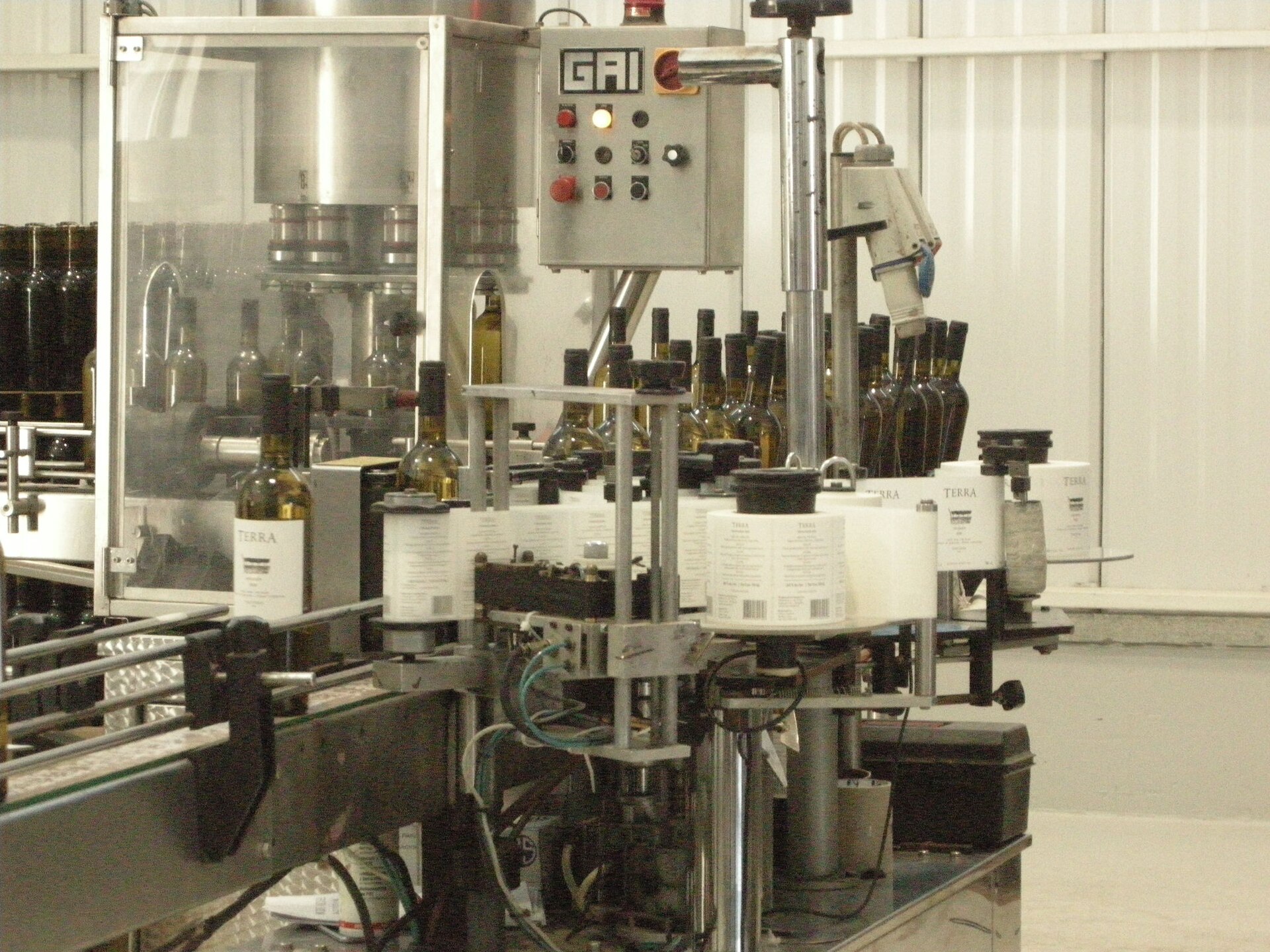
Cover: Flickr: Labelling · Wikimedia Commons · CC BY-SA 2.0
Question: What is the relationship between packaging, printing, and processing, and how can a beginner understand the basics?
What is packaging?
Packaging is the science and art of enclosing or protecting products. It keeps items clean, safe, and easy to transport, and it also shares important information such as ingredients, instructions, or branding. Packaging can be made from many materials, including paperboard, corrugated cardboard, plastic, glass, and metal. It is typically designed around the product's shape, weight, and distribution environment.
What is printing?
Printing is the process of reproducing words, logos, colors, and images on a surface. Common methods include digital printing, offset lithography, flexography, and screen printing. The chosen method depends on run length, quality expectations, and the type of material being printed. For packaging, printing often happens before the material is cut and folded, so colors and layout are planned with the final package dimensions in mind.
What is processing in this context?
Processing is the finishing and converting stage that turns a printed sheet or roll into a physical package. It may include cutting, folding, creasing, gluing, laminating, varnishing, or adding special effects like embossing. Processing also includes die-cutting, which creates custom shapes, and scoring, which makes materials easier to fold neatly. These steps are essential for turning a design into a container that can be assembled by machines or by hand.
How the three steps work together
A typical project starts with a design that accounts for the package's dimensions, the printing method, and the capabilities of the converting equipment. Printing lays down the visual layer, while processing gives the package its structure. The order matters: if a design ignores how the material will fold, cut, or handle ink, the final package may look beautiful but fail in production. Planning packaging, printing, and processing as one connected system helps beginners understand why every decision affects the next step.
Beginner-friendly tips
Start by looking at everyday packages around you and asking what they are made of and how they were printed. Notice where the folds are, whether the text is legible, and how the colors appear. When designing, leave enough margin for safety and finishing, and always test printing and processing on the exact material you plan to use. Simple prototypes made from paper can help you visualize how a flat design becomes a three-dimensional package.